Infrastructure and it's importance in scaling a Real Estate Syndication business
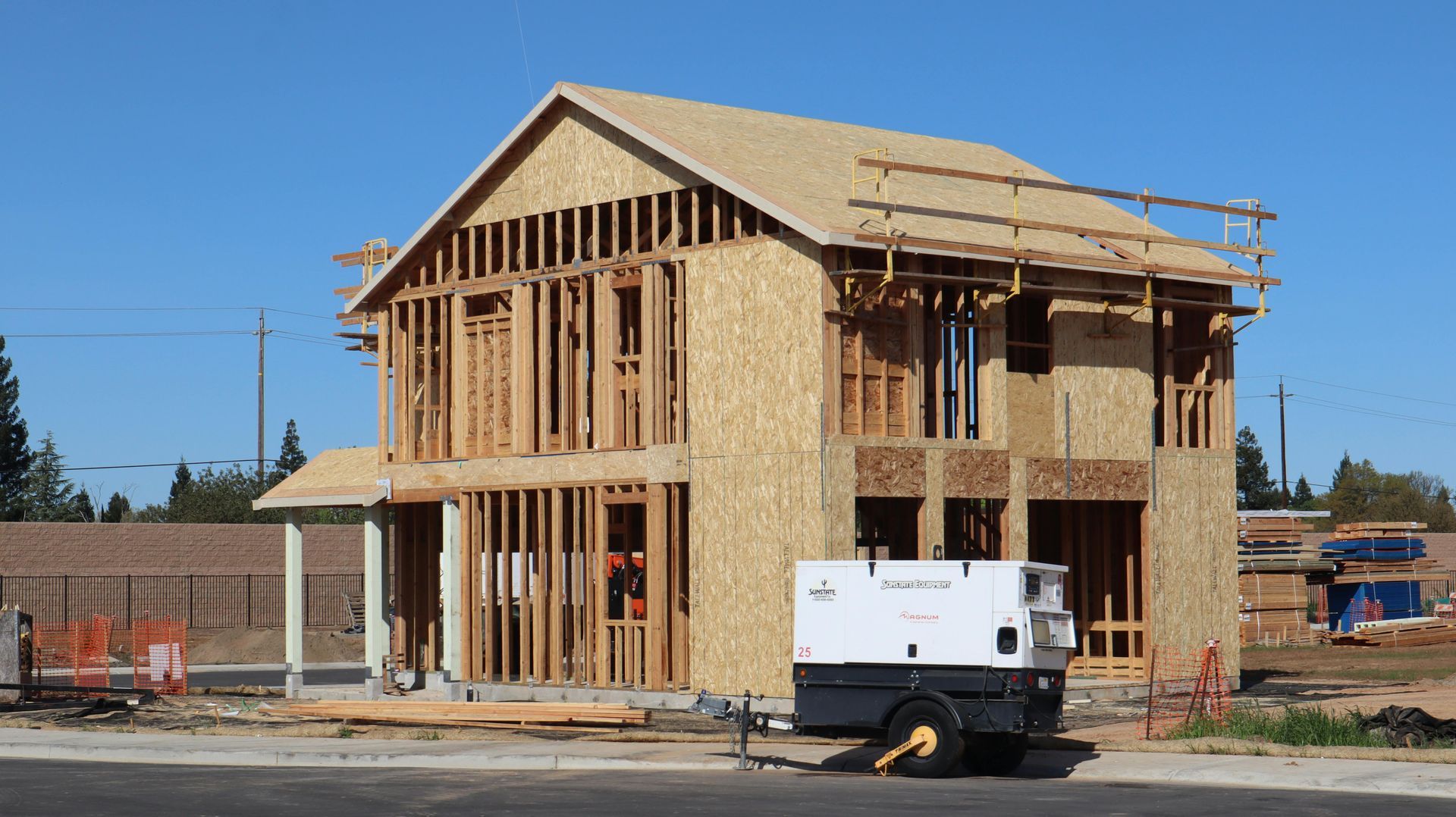
If you want to scale your syndication, start with a solid foundation...
An enterprise-grade syndication infrastructure is what allows a real estate operator to grow without becoming a bottleneck, losing investor trust, or taking on hidden risk.
What’s required is a designed operating system for the business.
Here’s what it includes:
1. Foundational Financial Architecture
Most syndicators only see performance deal by deal. A Syndication Enterprise sees the whole platform.
This includes:
- Clear separation between Entities: funds, management companies, the holding company, etc.
- Standardized chart of accounts across all entities
- Consistent monthly close process and timelines
- Ability to view deal performance AND enterprise health
Result: You can answer: “How is the business doing?” in addition to: “How is this deal doing?”
2. Decision-Grade Financial Reporting
Enterprise operators don’t drown in endless reports, they rely on a few that matter. This is a substantial detail.
This includes:
- Monthly financial packages that are timely and trusted
- Cash flow reporting that reconciles across entities
- KPI dashboards tied to asset management and operations
- Variance analysis with explanation, not just numbers
Result: Decisions are proactive, not reactive.
3. Cash Flow & Liquidity Management
Deals can be profitable and the business can still starve.
Enterprise infrastructure includes:
- Rolling cash flow forecasts across all entities
- Distribution planning and sustainability modeling
- Visibility of capital commitments and obligations
- Iteration and stress-testing scenarios
Result: Liquidity risk is identified early and keeps it from becoming a crisis.
4. Proactive Tax Strategy Integrated with Operations & Entity Structure
At scale, tax structure is a design choice.
This includes:
- Entity and ownership structures aligned with growth plans
- Tax planning coordinated with distributions and cash flow
- Multi-year planning tied to hold and exit strategies
- Clear coordination between tax, accounting, investors and leadership
Result: Taxes are part of the business strategy instead of an afterthought.
5. Standardized Investor Reporting & Communication
Investor confidence must scale with assets under management.
Enterprise infrastructure includes:
- Consistent investor reporting cadence in a consistent format
- Clear financial narratives alongside numbers
- Alignment between internal reporting and investor-facing reporting
- Processes that address LP questions
Result: Reinvestment becomes easier. Credibility compounds.
6. Defined Operating Cadence
Enterprises run on rhythm, not urgency.
This includes:
- Weekly operational reviews
- Monthly financial and asset performance reviews
- Quarterly planning and risk assessments
- Clear agendas, ownership, and follow-up
Result: The business moves forward intentionally, not reactively.
7. Documented Processes & Role Clarity
If processes live in people’s heads, scale is capped.
Enterprise infrastructure includes:
- Documented SOPs for finance, reporting, and operations
- Clear roles, responsibilities, and decision rights
- Delegation supported by systems, not trust alone
Result: The business can operate without constant founder involvement.
8. Governance & Risk Framework
Professional operators plan for things to go wrong.
This includes:
- Clear approval and authority structures
- Controls around cash, reporting, and distributions
- Risk identification and mitigation processes
- Audit and institutional readiness
Result: The business survives cycles and attracts sophisticated investors.
The Key Distinction
Busy syndicators add deals. Enterprise operators build infrastructure.
Enterprise-grade infrastructure:
- Reduces risk as complexity increases
- Improves decision quality
- Protects investor trust
- Creates optionality, including growth, partnerships and exits
You don’t scale into this. You design it, then build on it.